Health Risks Associated With Wildlife Living in or Around Your Home
Wildlife removal professionals can help eliminate animals that pose health risks associated with wildlife living in or around your home, ensuring a safer environment.
Many property owners in the area are discovering that wildlife living in or around their homes can pose significant health risks. Animals such as rodents, raccoons, bats, and squirrels can carry diseases that may be transmitted to humans and pets through bites, droppings, or contaminated surfaces. Understanding these potential dangers is an important step in maintaining a safe and healthy living environment, especially for families with young children or pets. Exploring this topic can help homeowners recognize early signs of wildlife intrusion and take proactive measures to protect their property and loved ones.
Engaging with local service providers who specialize in wildlife removal can be a practical way to address these concerns. These professionals can assess properties for vulnerabilities, safely remove unwanted animals, and help prevent future invasions. By working with experienced contractors, property owners can reduce the health risks associated with wildlife living in or around their homes and ensure that any necessary exclusion work is handled properly. Keep reading to learn more about how wildlife can impact health and what steps can be taken to keep homes safe.
- Wildlife exclusion - when rodents or bats are found nesting in attics, local contractors can remove animals and seal entry points to reduce health risks associated with wildlife living in or around your home.
- Bird control services - if bird droppings or nests are present near your property, service providers can safely remove the debris and prevent future nesting to minimize potential health hazards.
- Bat removal - in cases where bats roost in eaves or walls, local pros can safely relocate colonies to prevent the spread of diseases associated with wildlife living in or around your home.
- Rodent proofing - when signs of mice or rats are detected inside walls or basements, contractors can implement exclusion methods to prevent contamination and health issues linked to rodents.
- Wildlife cleanup - after an animal infestation, service providers can perform thorough cleanup and disinfection to address health risks associated with wildlife living in or around your home.
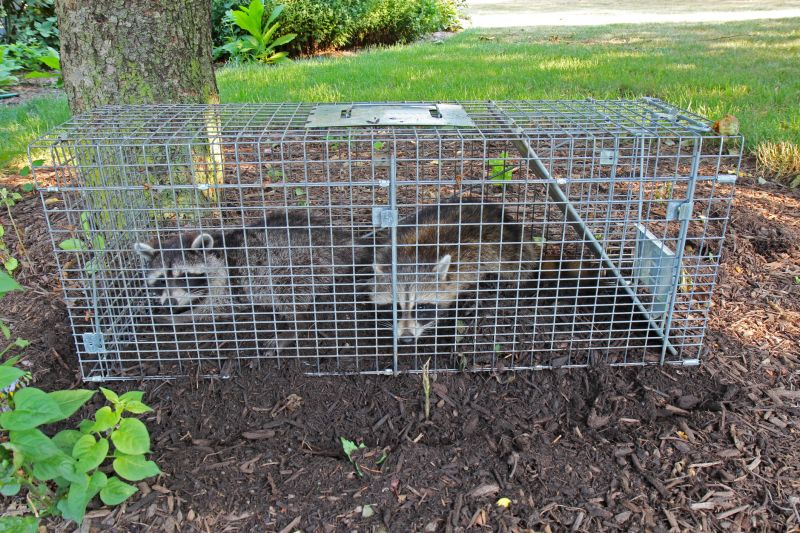
When people search for information on health risks associated with wildlife living in or around their home, they are typically concerned about the potential dangers that come with having animals such as raccoons, squirrels, bats, or birds nesting nearby. Many homeowners notice signs of wildlife activity-such as droppings, strange noises, or damage to the property-and want to understand if these animals pose health hazards. This search often relates to plans for removing or preventing wildlife from inhabiting the residence, as well as efforts to protect family members and pets from exposure to diseases carried by these animals. Recognizing the risks involved helps homeowners decide whether professional wildlife removal services are necessary to ensure their living environment remains safe and healthy.
The problems associated with wildlife living in or around a home can be extensive and multifaceted. Wildlife can carry a variety of diseases that are transmissible to humans and pets, including rabies, histoplasmosis, leptospirosis, and salmonella. In addition to health concerns, animals may cause structural damage by gnawing on wood, wiring, or insulation, which can lead to costly repairs and increased safety hazards. Furthermore, nests and droppings can create unsanitary conditions, attract other pests like fleas or mites, and contribute to foul odors. Homeowners often seek solutions that not only eliminate the presence of wildlife but also address the health risks and prevent future invasions.
Certain types of properties are more prone to wildlife inhabitation, especially those with easy access points or suitable shelter. Homes with overgrown vegetation, tree branches close to the structure, or openings in the roof, soffits, or foundation are common targets for animals seeking shelter. Rural properties, farms, and homes near wooded areas tend to experience higher instances of wildlife activity due to their proximity to natural habitats. Attics, crawl spaces, garages, and chimneys are frequent nesting sites, making these properties particularly vulnerable. Understanding the typical property features that attract wildlife can help homeowners recognize potential entry points and work with local service providers to implement effective removal and exclusion strategies.
Local wildlife removal service providers play a crucial role in addressing health risks associated with wildlife living in or around a home. These professionals are equipped to identify signs of infestation, assess entry points, and safely remove animals that pose health hazards. They also offer exclusion services to prevent future invasions, reducing the likelihood of ongoing health concerns. Working with experienced local contractors ensures that wildlife is removed humanely and that the property is properly sealed against future entry. For homeowners concerned about the health risks linked to wildlife, connecting with trusted service providers can provide peace of mind and help maintain a safer, healthier living environment.
Wildlife exclusion projects - these involve sealing entry points to prevent animals from entering homes, reducing the health risks associated with wildlife living in or around your home.
Attic insulation replacement - replacing contaminated insulation helps eliminate potential breeding sites and reduces exposure to zoonotic diseases linked to wildlife infestations.
Rodent proofing services - local contractors specialize in identifying and sealing rodent entry points, which can help mitigate health risks caused by rodents and their droppings.
Bird nest removal and prevention - professionals safely remove bird nests and install deterrents to prevent future nesting, lowering the risk of disease transmission from bird droppings.
Pest control and sanitation - these services target pests that often accompany wildlife, helping to reduce health hazards associated with pests and their droppings or carcasses.
Structural repairs and damage prevention - repairing damage caused by wildlife entry points can help prevent future infestations and reduce associated health risks.
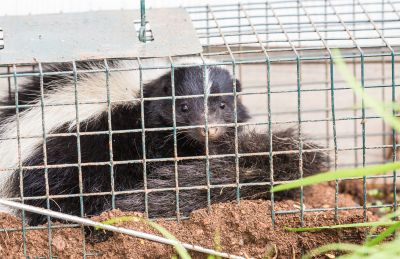
When comparing wildlife removal service providers, it is important to consider their experience with similar projects involving wildlife living in or around homes. An experienced local contractor will have a better understanding of the common species in the area and the most effective methods for safely and thoroughly removing wildlife that can pose health risks. This familiarity can help ensure that the removal process addresses potential hazards such as disease transmission, parasites, and structural damage caused by animals seeking shelter in attics, walls, or other hidden spaces.
Clear written expectations are essential when evaluating potential service providers. A reputable local contractor should be able to outline the scope of work, including inspection procedures, removal methods, and any follow-up steps needed to prevent future wildlife incursions. Having these details in writing helps homeowners understand what to expect, reduces misunderstandings, and ensures that health risks associated with wildlife living in or around the home are properly addressed through comprehensive and transparent service plans.
Finally, reputable references and good communication are key factors in selecting a wildlife removal specialist. Service providers with positive references from previous clients demonstrate a track record of reliable, effective work. Good communication ensures that homeowners can ask questions, receive updates, and express concerns throughout the process. This level of engagement helps to clarify expectations, fosters trust, and contributes to a more confident decision when choosing a local contractor to handle wildlife-related health risks around the home.
Property owners often search for health risks associated with wildlife living in or around your home when they are planning practical projects around their homes and businesses. Local pros provide Wildlife Removal services for everyday jobs and straightforward project options.
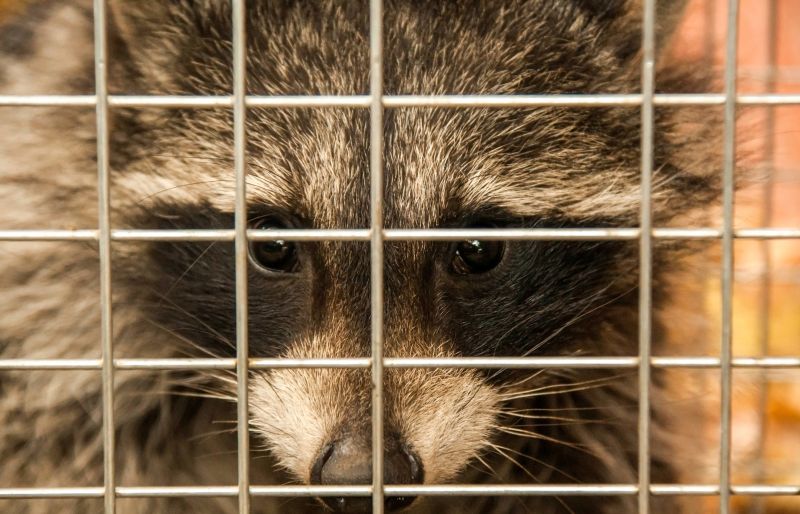
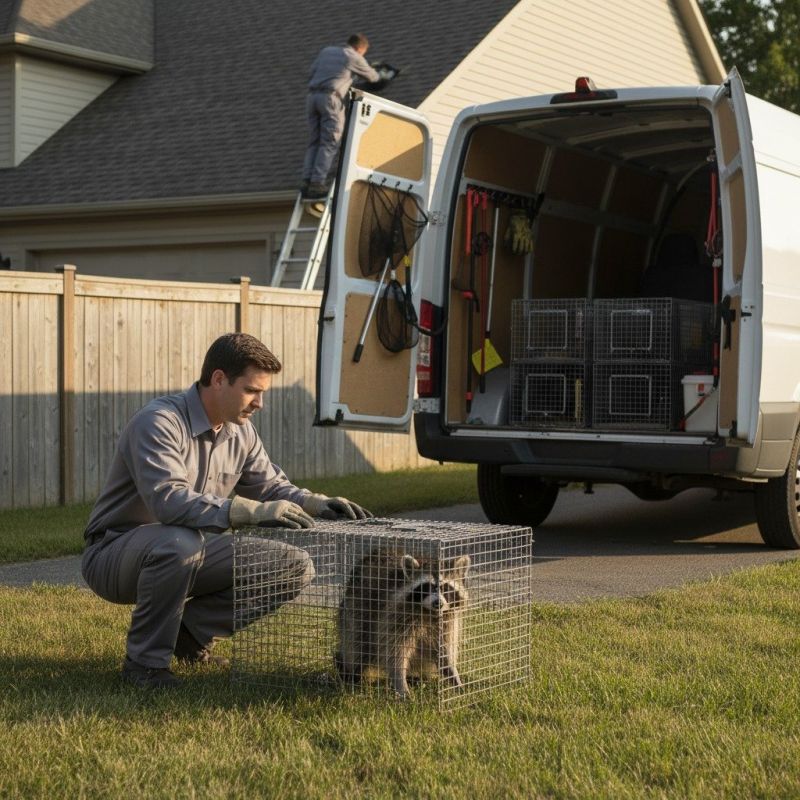
Wildlife living in or around a home can pose several health risks that property owners should be aware of. Animals such as raccoons, squirrels, bats, and birds often carry parasites, bacteria, and diseases that can be transmitted to humans and pets through direct contact or contaminated surfaces. For example, droppings and nesting materials can harbor pathogens that lead to illnesses like histoplasmosis or salmonella. Recognizing the potential health hazards associated with these animals can motivate property owners to seek professional wildlife removal services to safely and effectively address the issue.
In addition to disease transmission, wildlife presence can lead to other health concerns such as allergies, respiratory problems, or exposure to parasites like fleas and ticks. These pests can quickly infest a home or yard, creating an ongoing risk for residents and animals. Local contractors specializing in wildlife removal are equipped to handle these situations, ensuring that animals are removed humanely and that any damage or contamination is properly managed. Consulting with experienced service providers can help property owners minimize health risks and maintain a safer living environment.
What health risks are associated with wildlife living in or around a home? Wildlife can carry diseases such as rabies, hantavirus, and parasites that may pose health risks to residents. Local contractors can help remove wildlife safely and reduce exposure to these hazards.
How can wildlife in the attic or walls affect my health? Animals nesting in walls or attics can produce droppings and urine that lead to respiratory issues and spread bacteria or fungi. Professional wildlife removal can prevent these health concerns.
Are there risks of zoonotic diseases from wildlife around my property? Yes, many wildlife species can transmit zoonotic diseases, which can infect humans through bites, scratches, or contact with contaminated materials. Local service providers can safely handle and exclude wildlife to minimize these risks.
What dangers do droppings and urine from wildlife pose? Droppings and urine can harbor pathogens that cause illnesses such as histoplasmosis or salmonella. Wildlife removal experts can clean and disinfect affected areas to reduce health hazards.
Can wildlife living near my home cause respiratory or allergy issues? Yes, animal dander, droppings, and nesting materials can trigger allergies or respiratory problems. Professional removal services can help eliminate these sources of health risks effectively.
Identify wildlife entry points - property owners can inspect and seal gaps or holes to prevent wildlife from entering living spaces, reducing health risks associated with wildlife living in or around your home.
Remove attractants and nesting sites - eliminating food sources and potential nesting areas can discourage wildlife from settling nearby, lowering exposure to potential health hazards.
Schedule professional wildlife exclusion services - local contractors can safely and effectively block wildlife access points, minimizing the health risks associated with wildlife living in or around your home.
Implement ongoing monitoring and maintenance - regular inspections by wildlife removal services can help detect new entry points early, preventing health risks linked to wildlife living in or around your home.
If you are thinking about health risks associated with wildlife living in or around your home for a property, this guide is meant to help you understand this topic, the typical project types, and how different options might fit your plans.
When you are ready, you can use the quote form on this page to share a few details about your project. From there, local pros can review the basics and follow up with options that match what you have in mind.