Signs Your Commercial Property Has a Small Animal Issue
Identifying signs your commercial property has a small animal issue helps you find local service providers who can effectively handle removal and prevent future problems.
If you own or manage a commercial property in the area, recognizing the signs that your property has a small animal issue is an important step in maintaining a safe and functional space. Small animals such as rodents or other pests can sometimes find their way into buildings, causing damage and potentially spreading health concerns. Property owners who notice unusual noises, droppings, or chewed wiring may want to explore these signs further to prevent bigger problems down the line. Local contractors who specialize in small animal removal can help identify the source of the issue and implement effective solutions to keep your property secure.
Being aware of the common indicators of a small animal presence can save property owners time and money by addressing problems early. Signs like gnaw marks, nests, or persistent odors often point to an animal issue that requires professional attention. In many cases, local service providers experienced in small animal removal can efficiently handle the situation, ensuring that your commercial space remains safe and animal-free. Continuing to read can provide practical tips for spotting these signs and understanding how local experts can help manage the problem effectively.
- Small animal trapping services are often needed when signs your commercial property has a small animal issue include sightings of rodents or pests entering building openings, with local contractors implementing humane traps to safely capture intruders. Exclusion and sealing work becomes necessary when evidence such as gnaw marks or droppings suggests small animals have gained access, and local service providers focus on identifying entry points and sealing them effectively. Droppings and damage cleanup are required when signs your commercial property has a small animal issue include visible droppings or chewed wires, with local pros removing debris and restoring affected areas. Odor control services are requested when persistent smells indicate small animals have nested or died inside the building, and local contractors use specialized techniques to eliminate odors. Inspection and assessment are essential when signs your commercial property has a small animal issue include unexplained noises or damage, with local service providers conducting thorough evaluations to determine the extent of the problem.
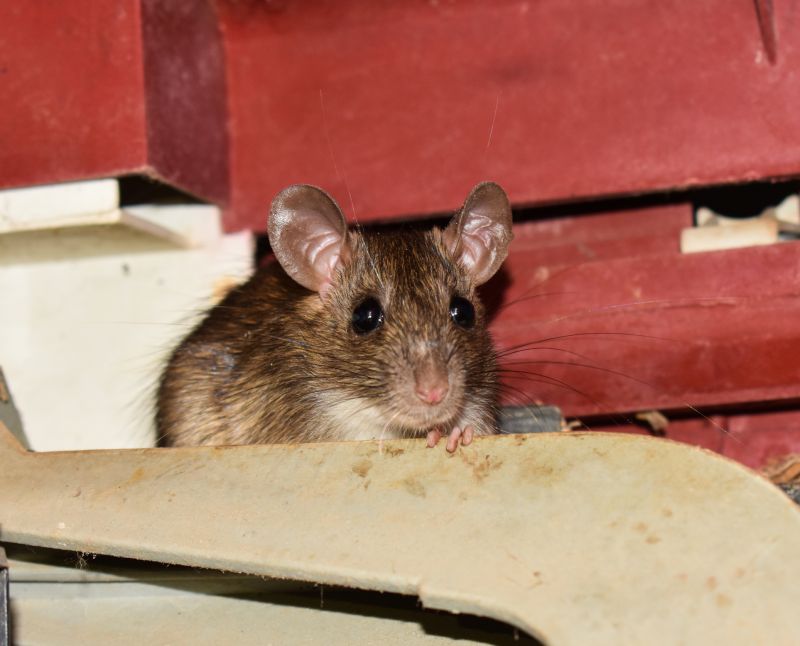
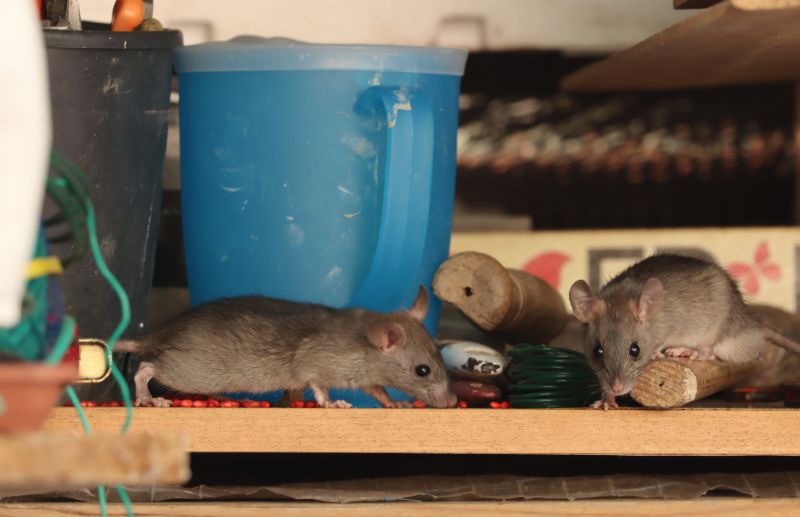
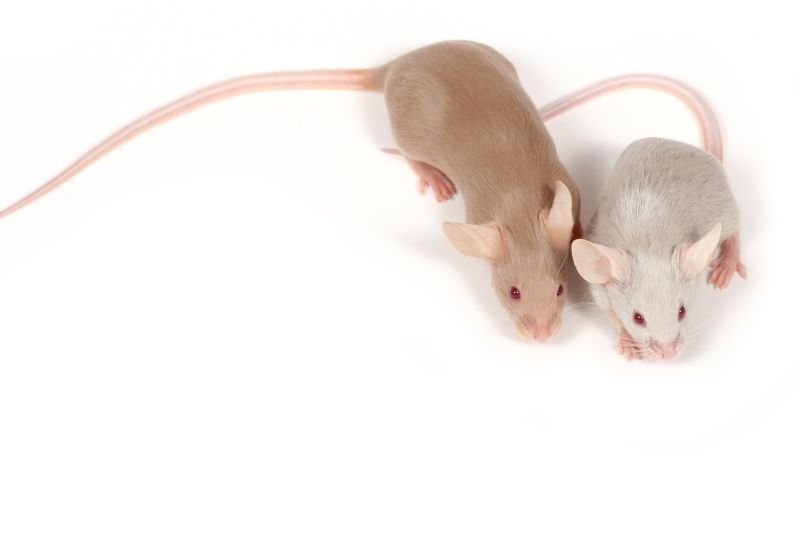
When searching for information about signs your commercial property has a small animal issue, many property owners are trying to identify early indicators of unwanted animal presence. This concern often arises when businesses notice unusual sounds, odors, or physical damage that cannot be explained by other causes. Recognizing these signs early is important because small animals like rodents, squirrels, or bats can quickly establish themselves in a building, leading to more significant problems if left unaddressed. Property managers and business owners want to understand what to look for so they can determine whether a small animal problem exists and seek professional help before it escalates.
This topic relates to a variety of problems and plans involving pest control, property maintenance, and damage prevention. Small animals can cause structural damage by chewing through wiring, insulation, or building materials, which can lead to costly repairs or fire hazards. They may also contaminate food storage areas or create unsanitary conditions that affect health and safety. For property owners, the goal is often to identify the presence of small animals early enough to implement effective removal strategies and prevent further damage. Local service providers specializing in small animal removal can help assess the situation, safely remove any animals, and advise on measures to prevent future invasions.
Commercial properties that frequently come up in discussions about small animal issues include warehouses, office buildings, retail stores, restaurants, and industrial facilities. These types of properties often have large storage areas, access points, and structural features that can attract small animals seeking shelter or food sources. Buildings with gaps, cracks, or poorly sealed entry points are especially vulnerable. Additionally, properties located near wooded areas, parks, or other natural habitats tend to have a higher likelihood of encountering small animal issues. Recognizing the specific risks associated with these property types helps owners understand why regular inspections and prompt action are essential to maintaining a safe and functional environment.
Understanding the signs of a small animal issue on a commercial property helps property owners connect the dots between visible problems and the need for professional intervention. Common indicators include scratching noises in walls or ceilings, droppings in storage or utility areas, gnawed wiring or packaging, and unusual odors that linger without explanation. When these signs are observed, it’s a clear signal that local pros who specialize in small animal removal can evaluate the situation, safely remove any animals present, and help secure the building against future invasions. Recognizing these early signs allows property owners to take proactive steps, minimizing damage and maintaining a safe, animal-free environment.
Attic Insulation Replacement - this project involves inspecting and replacing insulation damaged or contaminated by small animals, requiring skills in assessing property damage and using specialized tools for removal.
Pest Proofing and Exclusion - contractors specializing in sealing entry points and installing barriers to prevent small animals from re-entering commercial buildings, closely related to identifying signs of an infestation.
Wildlife Damage Repairs - involves repairing structural damages caused by small animals, such as chewed wiring or compromised roofing, which often follow the detection of signs your commercial property has a small animal issue.
Rodent and Pest Control Treatments - applying targeted treatments to eliminate small animal populations, requiring knowledge of pest behavior and effective trapping or baiting techniques.
Building Inspection Services - comprehensive assessments to identify signs of small animal intrusion, such as droppings or nesting sites, which help determine the extent of an issue.
Structural Damage Assessment - evaluating the integrity of the building’s framework after small animal activity, and planning necessary repairs to prevent future issues.
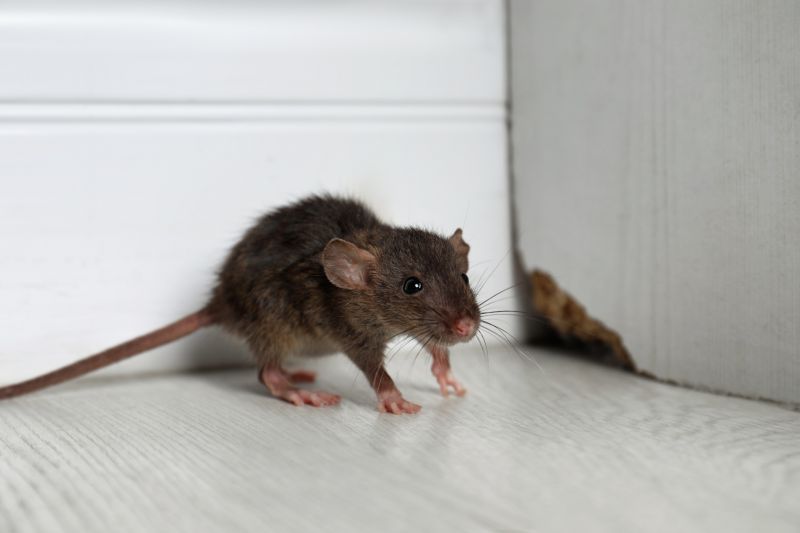
When comparing service providers for small animal removal on a commercial property, it’s important to consider their experience with similar projects. A contractor who has handled small animal issues in commercial settings will be more familiar with the unique challenges that larger properties can present. This experience can help ensure that the problem is addressed effectively and that the solution is thorough, reducing the likelihood of recurring issues. Asking about previous work or requesting references related to small animal removal can provide insight into a provider’s familiarity with the specific signs of small animal activity and their ability to resolve such issues efficiently.
Clear written expectations are essential when choosing a service provider for small animal removal. A reputable contractor should be able to outline the scope of work, including inspection procedures, removal methods, and any follow-up steps. Having these details in writing helps prevent misunderstandings and ensures that both parties are aligned on what the project entails. It’s also beneficial to inquire about the process for handling unexpected complications or additional signs of activity that may be discovered during the work, providing peace of mind that the contractor’s approach is transparent and well-structured.
Effective communication is a key factor when evaluating local contractors for small animal removal services. A professional service provider should be responsive to questions and willing to explain their methods in understandable terms. Good communication also involves providing updates throughout the project and being accessible for follow-up concerns. This helps build confidence that the contractor is attentive to the property owner’s needs and committed to resolving the signs of small animal issues thoroughly. When comparing options, consider how well each provider communicates and whether their approach fosters a clear understanding of the work involved.
Property owners often search for signs your commercial property has a small animal issue when they are planning practical projects around their homes and businesses. Local pros provide Small Animal Removal services for everyday jobs and straightforward project options.
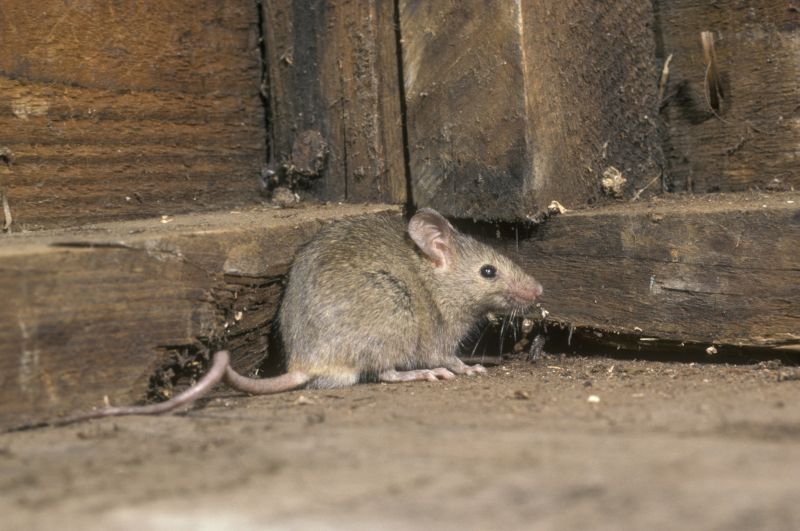
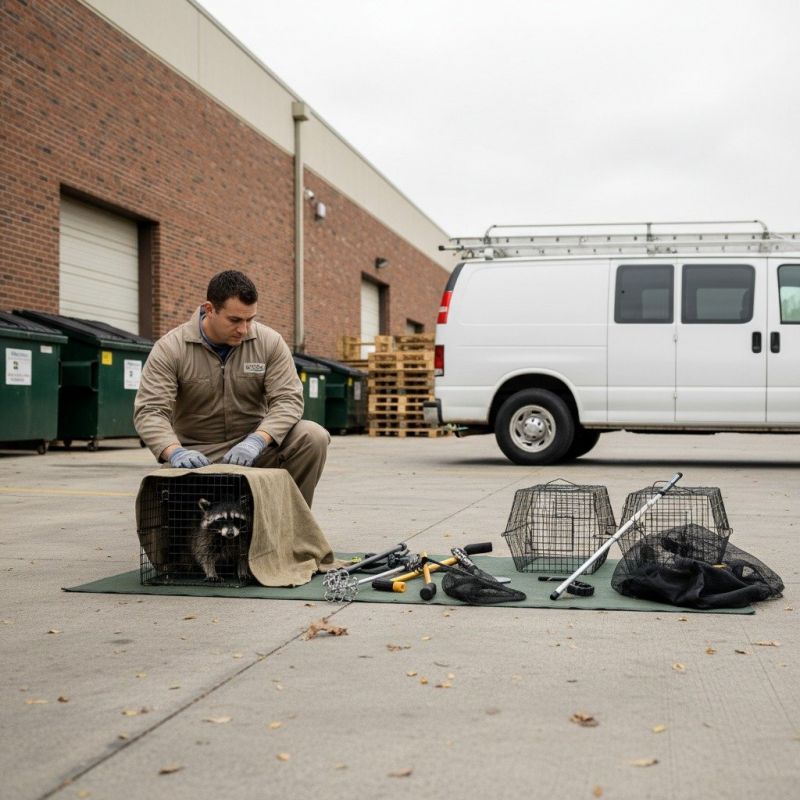
Recognizing signs that a commercial property has a small animal issue can often come from everyday observations. Property owners might notice unusual noises within walls or ceilings, such as scratching, scurrying, or squeaking sounds, especially during quiet times of the day. Additionally, there could be signs of damage like chewed wires, insulation, or stored materials, which indicate animals are nesting or seeking shelter. Spotting droppings or nests near vents, crawl spaces, or storage areas can also point to a small animal presence that needs addressing.
In many cases, these signs prompt property owners to seek the expertise of local contractors who specialize in small animal removal services. Professionals can assess the situation thoroughly, identify the species involved, and implement humane removal strategies. Addressing these issues promptly helps prevent further damage and potential health concerns, making it easier for property owners to maintain a safe and functional commercial space.
What are common signs that small animals have entered a commercial property? Unusual noises, droppings, chewed wires or insulation, and sightings of small animals or their tracks can indicate a small animal issue on a commercial property.
How can I tell if small animals are causing damage to the building? Signs include gnawed structures, damaged insulation, shredded materials, and unexplained holes or burrows around the property.
Are there specific indicators that small animals have made nests inside a commercial building? Presence of nesting materials like shredded paper or fabric, droppings near vents or hidden areas, and the smell of urine can point to nesting activity inside a property.
What odors might suggest a small animal problem on a commercial site? Strong, musky smells or the scent of ammonia can be signs of small animal presence, especially if associated with hidden areas or walls.
When should a business consider seeking small animal removal services? If there are persistent noises, sightings, or signs of damage that cannot be easily identified or addressed, it’s advisable to contact service providers who specialize in small animal removal.
Unusual Noises - Hearing scratching, scurrying, or squeaking sounds inside walls or ceilings can indicate small animals are present, prompting a professional inspection.
Droppings and Nests - Finding small droppings or nesting materials around the property is a clear sign that local contractors should be consulted for removal.
Damage to Structures - Chewed wires, insulation, or wood can signal small animal activity, and experienced service providers can assess and address the issue.
Odors and Unexplained Smells - Persistent musty or foul odors may suggest a hidden small animal problem that local experts can help identify and resolve.
If you are thinking about signs your commercial property has a small animal issue for a property, this guide is meant to help you understand this topic, the typical project types, and how different options might fit your plans.
When you are ready, you can use the quote form on this page to share a few details about your project. From there, local pros can review the basics and follow up with options that match what you have in mind.