How Squirrels Damage Roofs and Attics and What to Do About It
People seeking squirrel removal typically want to prevent damage to their roofs and attics, and local service providers can help eliminate squirrels and repair affected areas.
Property owners in the area who notice signs of damage or unusual activity around their roofs and attics may find it helpful to understand how squirrels damage these parts of their property and what steps can be taken to address the issue. Squirrels are known for their ability to create costly problems, from gnawing through shingles and vent covers to nesting in attics and causing structural damage. Being informed about these common issues can help homeowners and business owners recognize early warning signs and explore practical solutions to protect their investments.
For those seeking effective ways to handle squirrel-related damage, local service providers specializing in squirrel removal can offer valuable assistance. These professionals are equipped to assess the situation, safely remove the animals, and implement measures to prevent future intrusions. Exploring options for squirrel removal and exclusion services can be an important step toward maintaining a secure, damage-free roof and attic space. Keep reading to learn more about how squirrels cause damage and how local experts can help restore peace of mind.
- Squirrel exclusion services - when homeowners notice signs of squirrel entry in roofs or attics and need local contractors to seal openings and prevent further damage.
- Attic insulation repair - after squirrels have nested or chewed through insulation, local service providers can restore proper attic protection.
- Roof repair and patching - in cases where squirrel activity has caused roof damage, local pros can perform repairs to restore roof integrity.
- Attic cleanup and debris removal - once squirrels are removed, specialists can clear out nesting materials and droppings to prevent health hazards.
- Squirrel damage assessment - homeowners concerned about how squirrels damage roofs and attics can consult local experts for thorough inspections and recommendations.
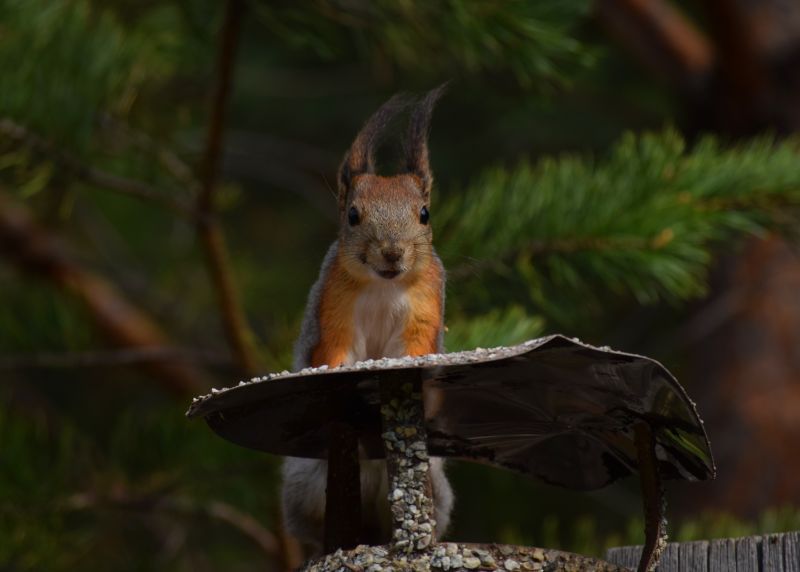
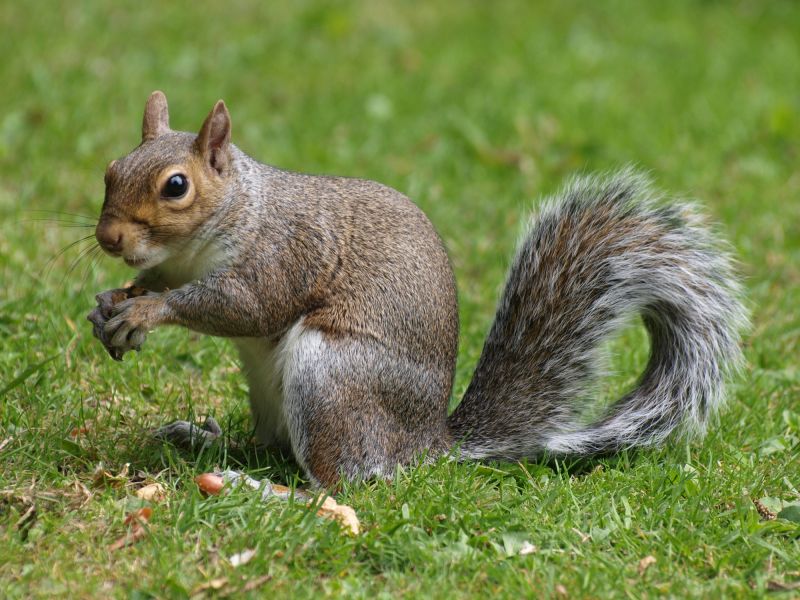
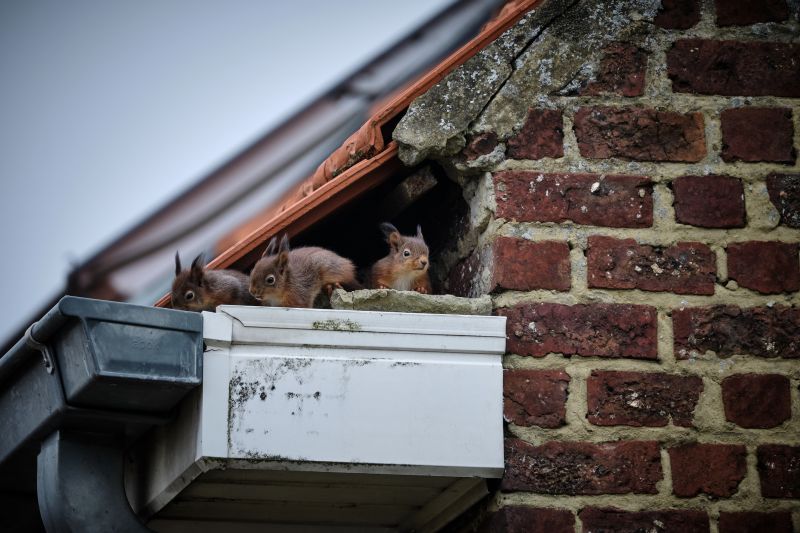
When homeowners search for information about how squirrels damage roofs and attics and what to do about it, they are often concerned about the potential for these small mammals to cause structural problems and create safety hazards. Squirrels are known to seek shelter in attics and roof spaces, especially during colder months, but their presence can lead to significant damage if not addressed. Common signs include chewed wiring, gnawed wood, and debris or nesting materials found inside the attic. People interested in this topic typically want to understand the risks associated with squirrel activity and explore effective ways to prevent or resolve the problem, often considering the assistance of local service providers who specialize in squirrel removal and property protection.
The problems linked to how squirrels damage roofs and attics often involve more than just nuisance behavior. Chewing on electrical wiring can increase the risk of fire, while gnawing on wood or insulation can compromise the integrity of roof structures and reduce energy efficiency. Squirrels may also create entry points by gnawing through vents, soffits, or damaged shingles, allowing more pests or weather elements to enter. Homeowners with plans to repair or reinforce their roofs and attics frequently seek out local contractors who can assess the extent of damage, remove the animals safely, and implement exclusion measures to prevent future issues. These projects are common in residential properties, especially older homes or those with accessible roof gaps.
Properties most often affected by squirrel damage include single-family homes, cottages, and small commercial buildings with accessible roof spaces. Attics that are poorly sealed or have existing vulnerabilities are particularly vulnerable to squirrel intrusion. In many cases, properties with trees close to the structure or with damaged roofing materials are at higher risk. These types of properties typically require a combination of removal services and repairs to restore safety and prevent recurrence. Homeowners who recognize early signs of squirrel activity can work with local contractors to develop a plan that addresses both the immediate damage and the underlying entry points, ensuring the property remains protected over time.
Understanding how squirrels damage roofs and attics and what to do about it connects directly to broader property maintenance and pest management plans. Local service providers who specialize in squirrel removal can evaluate the extent of the problem, safely remove the animals, and offer recommendations for sealing entry points and repairing damage. Their expertise helps homeowners prevent ongoing issues and protect the structural integrity of their homes. Whether it’s installing barriers, repairing damaged roofing components, or advising on landscaping to reduce squirrel attraction, these professionals play a key role in managing squirrel-related property concerns. Connecting with experienced local contractors ensures that homeowners receive practical solutions tailored to their specific property needs.
Roof Inspection and Repair - Professionals who evaluate and fix roof damage caused by squirrels can also handle general roof inspections to identify vulnerabilities early.
Attic Pest Proofing - Service providers specializing in attic sealing and pest exclusion can help prevent squirrels from re-entering and causing further damage.
Gutter Cleaning and Maintenance - Local contractors offering gutter services can address blockages and damage that squirrels may contribute to or exploit for access.
Wildlife Exclusion Services - Experts skilled in wildlife-proofing homes can install barriers and vents to keep squirrels and other pests out of roofs and attics.
Attic Insulation Replacement - Contractors replacing or upgrading attic insulation often repair damage caused by squirrels and reinforce insulation against future issues.
Roof Vent Repair - Repair specialists can fix or replace damaged roof vents that squirrels may have compromised, restoring proper attic ventilation.
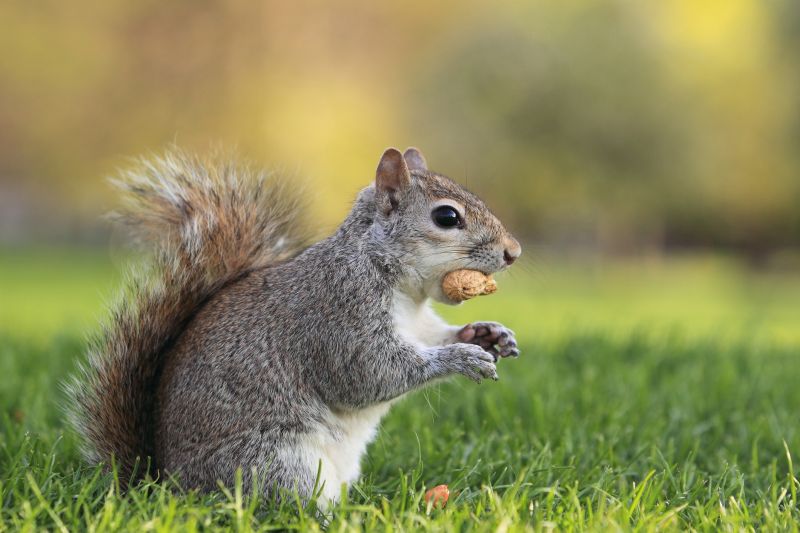
When comparing service providers for squirrel removal and addressing damage caused by squirrels to roofs and attics, it is important to consider their experience with similar projects. Homeowners should look for local contractors who have a proven track record of handling squirrel-related issues, including identifying entry points, safely removing animals, and repairing damage. An experienced professional will understand the common ways squirrels can compromise roof integrity and attic insulation, ensuring that the work is performed efficiently and effectively. Asking for references or examples of past projects can help gauge their familiarity with the specific challenges associated with squirrel damage and removal.
Clear written expectations are essential when evaluating potential service providers. Homeowners should seek detailed descriptions of the scope of work, including inspection procedures, removal methods, and repair or sealing techniques. This clarity helps prevent misunderstandings and ensures that both parties are aligned on the services provided. A reputable contractor will be transparent about what is included in the service, outlining any necessary follow-up steps or ongoing prevention measures. Having this information in writing can also serve as a useful reference throughout the project, promoting accountability and satisfaction.
Good communication is a key factor in choosing the right local contractor for squirrel-related issues. Service providers who communicate clearly and promptly demonstrate professionalism and a commitment to customer service. Homeowners should look for contractors who are willing to answer questions, explain their approach, and provide guidance on how to prevent future squirrel problems. Effective communication helps build trust and ensures that homeowners feel informed and comfortable throughout the process. When comparing options, prioritizing providers who demonstrate transparency and responsiveness can lead to a smoother experience and more satisfactory results.
Property owners often search for how squirrels damage roofs and attics and what to do about it when they are planning practical projects around their homes and businesses. Local pros provide Squirrel Removal services for everyday jobs and straightforward project options.
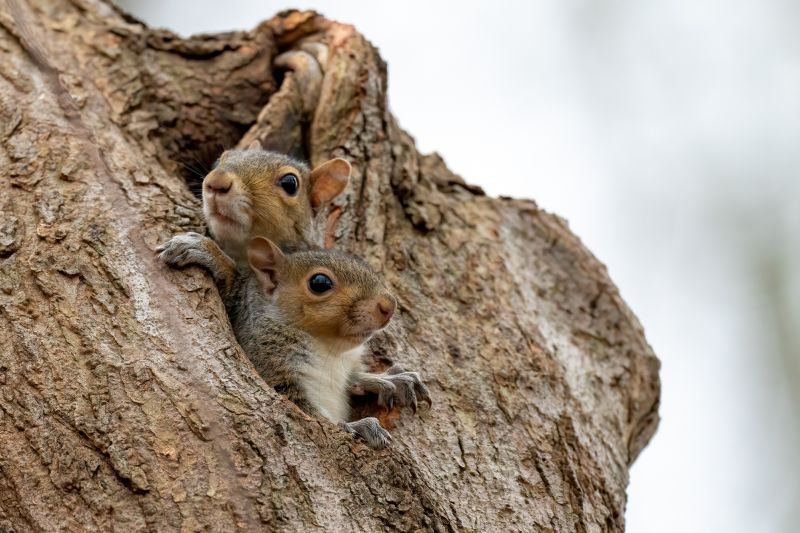
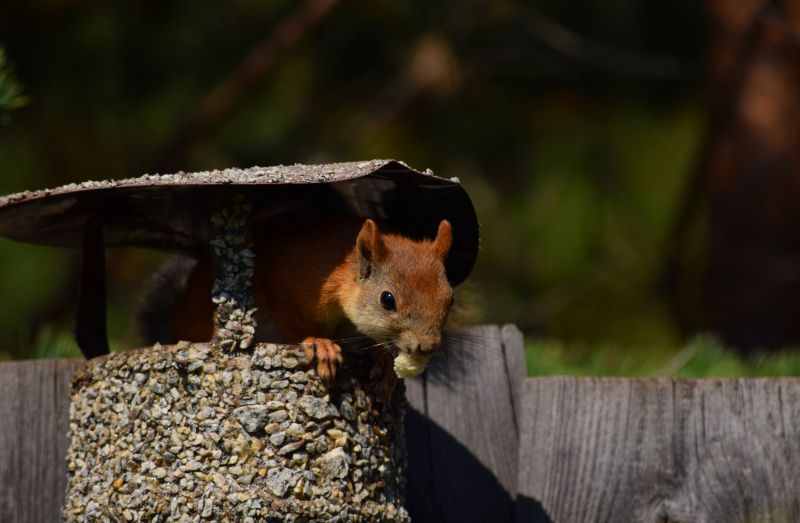
Squirrels often find their way into roofs and attics while searching for nesting sites or food sources, especially during colder months. Their activity can lead to damage such as chewed wiring, insulation destruction, and entry points that compromise the integrity of the roof. Property owners noticing unusual noises, droppings, or signs of chewed materials may seek out squirrel removal services to address these issues before they worsen. Local contractors experienced in squirrel removal can help identify how squirrels are gaining access and implement effective strategies to eliminate the problem, protecting the home from further damage.
Addressing how squirrels damage roofs and attics and what to do about it is an important step in safeguarding a property. Many people turn to local service providers who specialize in humane squirrel removal and exclusion methods to prevent future intrusions. These professionals can assess the situation, remove any squirrels currently inside, and help seal entry points to keep pests out. Connecting with local experts ensures that property owners receive tailored solutions to restore safety and prevent recurring issues caused by squirrel activity.
How do squirrels damage roofs and attics? Squirrels can cause damage by gnawing on roof shingles, vents, and wiring, creating entry points that allow them to access and nest in attics. Their chewing habits may also weaken roof structures over time. Local contractors experienced in squirrel removal can help identify and repair these damages to prevent further issues.
What signs indicate squirrel activity in a roof or attic? Common signs include visible holes or chewed areas on the roof, scratching sounds in the attic, droppings, and nests made of leaves or insulation. Recognizing these signs early can help connect with service providers who specialize in squirrel exclusion and removal.
Why is it important to address squirrel damage promptly? Ignoring squirrel damage can lead to structural issues, insulation contamination, and increased risk of pests or fire hazards due to chewed electrical wiring. Local experts can assess the extent of damage and implement effective removal and prevention measures.
What methods do service providers use to remove squirrels from roofs and attics? Professionals typically use humane trapping, sealing entry points, and installing exclusion devices to safely remove squirrels and prevent future infestations. They also perform repairs to restore the integrity of the roof and attic structures.
How can homeowners prevent squirrels from damaging their roofs and attics? Regular inspections, sealing potential entry points, and trimming tree branches near the home can reduce squirrel access. Connecting with local contractors can ensure effective exclusion and ongoing prevention strategies are in place.
Inspecting roof vents and eaves - property owners can identify entry points squirrels use and have local contractors seal or repair these areas to prevent future damage.
Removing squirrel nests and debris - clearing out nests in attics or roof spaces can reduce squirrel activity and minimize further structural harm, with help from local experts.
Installing deterrents and barriers - applying physical barriers or humane deterrents recommended by local pros can discourage squirrels from re-entering the roof or attic.
Scheduling regular roof inspections - routine assessments by service providers can catch early signs of squirrel damage and address issues before they worsen.
If you are thinking about how squirrels damage roofs and attics and what to do about it for a property, this guide is meant to help you understand this topic, the typical project types, and how different options might fit your plans.
When you are ready, you can use the quote form on this page to share a few details about your project. From there, local pros can review the basics and follow up with options that match what you have in mind.