What to Expect During a Professional Wildlife Removal Visit
People seeking wildlife removal typically want pests safely and humanely removed; local service providers can handle inspections, humane trapping, and exclusion to resolve the problem.
If you’re curious about what to expect during a professional wildlife removal visit, you’re in the right place. Property owners in the area often seek out these services to address unexpected wildlife intrusions that can cause property damage or health concerns. Understanding how a typical visit unfolds can help alleviate any worries and prepare you for the process. Local contractors who specialize in wildlife removal typically start with a thorough inspection to identify the species involved, entry points, and any existing damage. This initial step ensures that the removal is handled efficiently and humanely, with safety and effectiveness in mind.
During a wildlife removal visit, professionals will take steps to carefully and humanely remove the animals and seal any access points to prevent future visits. They may also advise on ways to minimize attractants and protect your property from recurring issues. Knowing what to expect can make the experience less stressful and more manageable. These local service providers are experienced in managing a variety of wildlife situations, offering practical solutions tailored to each property’s needs. Keep reading to learn more about the process and how local wildlife removal experts can help restore peace of mind.
- Wildlife entry point inspection - when homeowners notice signs of animal intrusion, local contractors assess entry points to determine how wildlife is accessing the property.
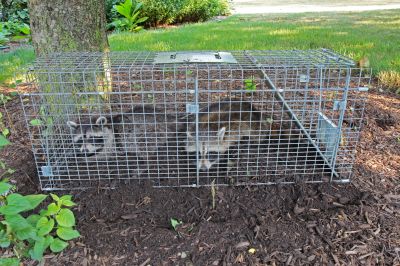
- Animal trapping and removal - if wildlife is found inside the structure, professionals use humane traps to safely remove animals without causing harm.
- Exclusion and repair services - after removal, local service providers seal entry points and repair damage to prevent future wildlife access.
- Habitat modification advice - contractors may recommend changes to the property to make it less attractive to wildlife and discourage re-entry.
- Post-removal cleanup and sanitation - when necessary, local pros handle cleanup of droppings and nesting materials to restore the affected area.
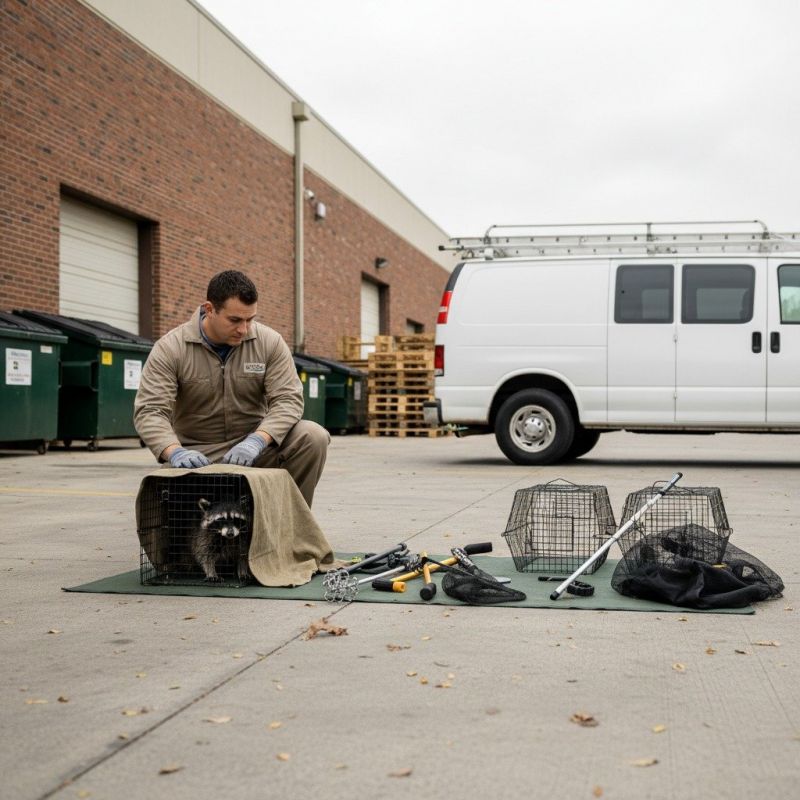
When searching for information about what to expect during a professional wildlife removal visit, homeowners often want to understand the typical process a wildlife control specialist follows when addressing unwanted animals on their property. These visits usually involve an assessment of the situation to identify the species involved, the extent of the problem, and the points of entry that animals are using to access the property. Homeowners may be concerned about how invasive the process will be, whether animals will be safely removed, and what steps are taken to prevent future intrusions. Understanding what happens during a visit can help homeowners prepare for the process and feel more confident about the professional assistance they are receiving.
Wildlife removal services are commonly sought in situations where animals such as raccoons, squirrels, bats, birds, or skunks have taken up residence in or around a property. These problems often arise when animals find access points in attics, chimneys, vents, or under decks. Homeowners may plan to resolve ongoing issues or prevent damage caused by animals, such as chewed wiring, insulation contamination, or structural damage. A professional wildlife removal visit typically addresses these concerns by safely removing the animals and implementing exclusion measures to keep them out. The goal is to restore safety and comfort while ensuring the animals are handled humanely and effectively.
Properties that frequently require wildlife removal services include residential homes, especially those with accessible attics, rooflines, or crawl spaces. Commercial buildings, barns, and other structures with less secure entry points can also be affected. In particular, properties located near wooded areas or with mature trees nearby are more prone to wildlife intrusions. Local service providers are experienced in working on a variety of property types, understanding the unique challenges each presents. Homeowners should recognize that wildlife removal professionals are equipped to handle different property configurations and can tailor their approach to suit the specific needs of each location.
During a typical wildlife removal visit, homeowners can expect the specialist to conduct a thorough inspection of the property to locate entry points and signs of animal activity. The process often involves setting traps or using humane capture methods, then safely removing the animals from the premises. The professional will also identify and seal entry points to prevent future visits, sometimes recommending repairs or modifications to improve property security. Homeowners should be aware that the visit is designed to be as non-disruptive as possible, with the focus on humane animal handling and effective exclusion. Understanding this process helps clarify how local contractors work to resolve wildlife issues efficiently and responsibly.
Attic and crawl space inspections - local contractors often perform detailed inspections of attics and crawl spaces to identify wildlife entry points and nesting areas, similar to what is done during wildlife removal visits.
Exclusion and sealing projects - professionals utilize specialized tools and planning to seal entry points and prevent future wildlife intrusions, paralleling the work during wildlife removal visits.
Rodent and pest control services - these projects involve identifying and managing pest populations using traps and deterrents, which shares techniques used in wildlife removal visits.
Bird control and deterrent installations - local service providers install bird spikes and deterrents, requiring similar planning and tools as during wildlife removal visits.
Nesting removal and habitat cleanup - professionals remove nesting materials and clean affected areas, a task related to wildlife removal procedures.
Structural damage repairs - fixing damage caused by wildlife, such as chewed wires or insulation, involves similar assessments and repair planning as during wildlife removal visits.
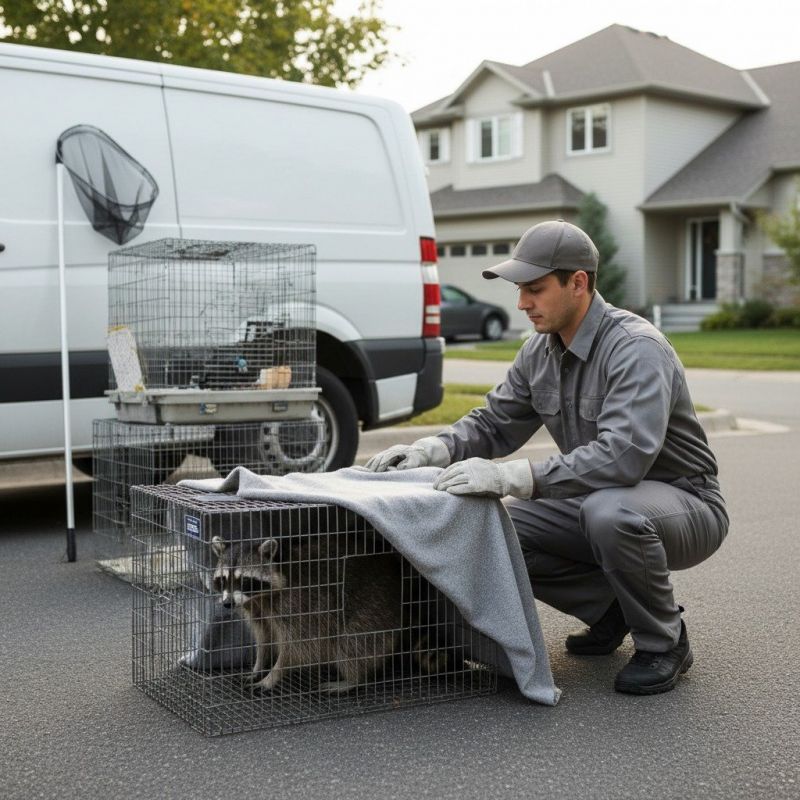
When comparing wildlife removal service providers, it’s important to consider their experience with similar projects. Homeowners should inquire about how long a local contractor has been handling wildlife issues comparable to their own, such as raccoon removal or bird control. A contractor with a history of successful projects in similar situations is more likely to understand the nuances involved and deliver effective solutions. This experience can also indicate familiarity with common challenges and the best practices for humane and efficient wildlife exclusion, which can contribute to a smoother removal process.
Clear, written expectations are essential when evaluating wildlife removal services. Reputable service providers typically outline what the visit will involve, including inspection procedures, removal methods, and any follow-up steps. Having this information in writing helps ensure that homeowners understand what to anticipate during a professional wildlife removal visit and can prevent misunderstandings. It also provides a reference point for what services are included, so homeowners can compare offerings across different local contractors and choose the one that best aligns with their needs.
Good communication and reputable references are critical factors when selecting a wildlife removal professional. Homeowners should seek out service providers who are transparent about their process and willing to address questions or concerns. Additionally, asking for references or reviews from previous clients can offer insight into the contractor’s reliability and quality of work. Effective communication ensures that homeowners are kept informed throughout the process, which can make the experience less stressful. Overall, choosing a local contractor known for clear communication and positive feedback can help ensure the wildlife removal visit proceeds smoothly and meets expectations.
Property owners often search for what to expect during a professional wildlife removal visit when they are planning practical projects around their homes and businesses. Local pros provide Wildlife Removal services for everyday jobs and straightforward project options.
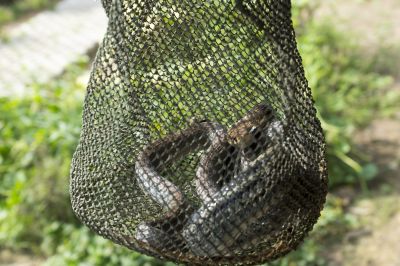
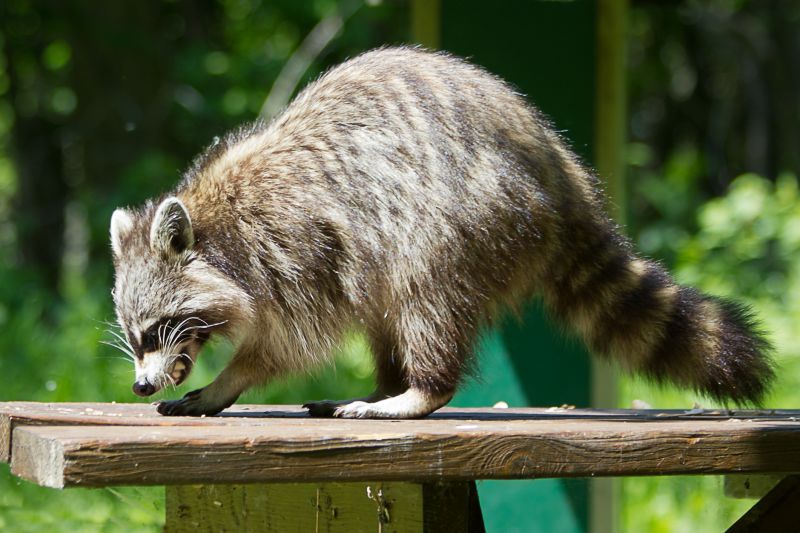
During a professional wildlife removal visit, property owners can typically expect a thorough assessment of the affected areas. Local contractors will inspect the property to identify signs of wildlife activity, such as droppings, nests, or damage, and determine the species involved. This initial step helps establish the best approach for removal and ensures that the property is checked carefully to prevent future issues. The process often involves the placement of humane traps or other removal methods tailored to the specific situation, whether it's raccoons in the attic or birds nesting in soffits.
Throughout the visit, property owners might observe local service providers working efficiently and respectfully to minimize disruption. They often take steps to ensure wildlife is safely captured and removed without causing harm. After the removal, many professionals will advise on sealing entry points and making the property less attractive to wildlife, helping to prevent recurrence. Understanding what to expect during a professional wildlife removal visit can help property owners feel more prepared and confident in the process, knowing that experienced local service providers are equipped to handle a range of common situations.
What happens during a professional wildlife removal visit? During a wildlife removal visit, local contractors typically assess the affected area, identify the species involved, and determine the best removal methods. They may also inspect for entry points and signs of infestation to plan effective exclusion strategies.
Will the wildlife removal technician do any damage to my property? Reputable service providers aim to minimize property disturbance. They usually perform careful inspections and use techniques that avoid unnecessary damage while safely removing wildlife and sealing entry points.
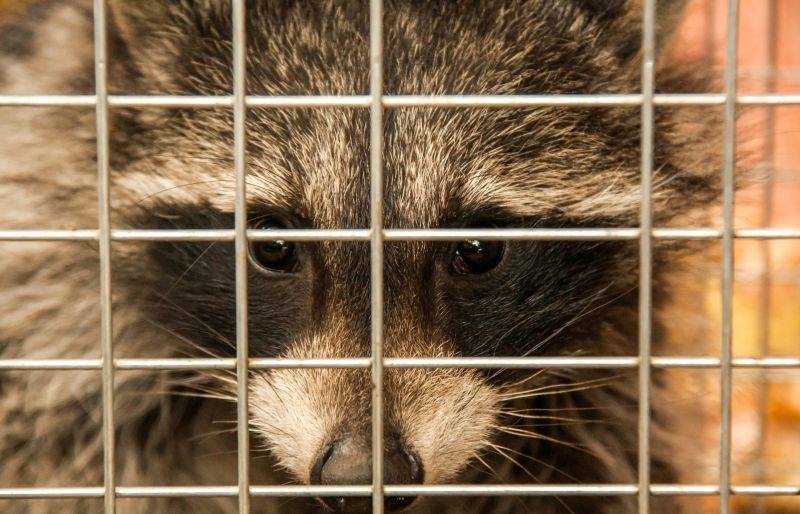
How do professionals handle the wildlife during the visit? Wildlife removal experts often use humane methods to capture and remove animals, ensuring their safety and well-being. They may use traps or other techniques suited to the specific species involved.
What should I do to prepare for a wildlife removal visit? Homeowners are generally advised to clear the area of personal belongings and keep pets away. This helps technicians access the affected areas easily and ensures safety during the removal process.
What follow-up steps might be part of a wildlife removal visit? After removal, local contractors often seal entry points and provide recommendations to prevent future wildlife encounters. They may also offer cleanup or exclusion services as part of the process.
Inspection process - Property owners can prepare by identifying visible signs of wildlife activity, which helps local contractors plan an effective removal strategy.
Safety measures - Understanding the safety precautions taken during a visit encourages property owners to keep pets and children away from affected areas.
Equipment used - Learning about the tools and methods used by local pros can help owners recognize the professionalism involved in wildlife removal projects.
Post-removal steps - Knowing what cleanup and repairs to expect after wildlife removal assists property owners in planning for property restoration.
If you are thinking about what to expect during a professional wildlife removal visit for a property, this guide is meant to help you understand this topic, the typical project types, and how different options might fit your plans.
When you are ready, you can use the quote form on this page to share a few details about your project. From there, local pros can review the basics and follow up with options that match what you have in mind.