How Small Animals Impact Commercial Buildings and Business Operations
People searching for commercial small animal removal are typically looking to prevent damage and health risks caused by animals in buildings, and local service providers can effectively handle these issues.
Understanding how small animals impact commercial buildings and business operations is essential for property owners seeking to maintain a safe and efficient environment. Small animals such as rodents, birds, and other pests can cause significant issues, including structural damage, contamination, and disruptions to daily activities. Recognizing these potential impacts helps owners take proactive steps to protect their investments and ensure the safety of employees and visitors. Local contractors specializing in small animal removal are equipped to address these concerns effectively, providing solutions that help minimize damage and prevent future infestations.
Exploring this topic is especially practical for property owners who want to avoid costly repairs and operational setbacks caused by small animals. Whether it’s preventing damage to wiring, avoiding contamination of food storage areas, or maintaining a clean and professional appearance, understanding the risks associated with small animals can inform better management decisions. Service providers in the area offer expert assistance in removing small animals and sealing entry points, ensuring that commercial spaces remain secure and functional. Keep reading to discover how local pros can help safeguard business operations from the hidden threats posed by small animals.
- Commercial building inspections for small animal infestations help identify how small animals impact commercial buildings and business operations, with local contractors providing targeted removal solutions. Damage repair services address issues caused by small animals, such as chewed wiring or structural damage, and local service providers implement effective exclusion methods. Pest proofing services are essential when small animals threaten to compromise building integrity or safety, with local pros installing barriers and deterrents. Wildlife cleanup services are necessary after small animals have been removed, ensuring that contamination or debris does not interfere with business operations, handled by local experts. Structural repairs are often needed to restore areas affected by small animals, with local contractors providing specialized restoration work to prevent future issues.
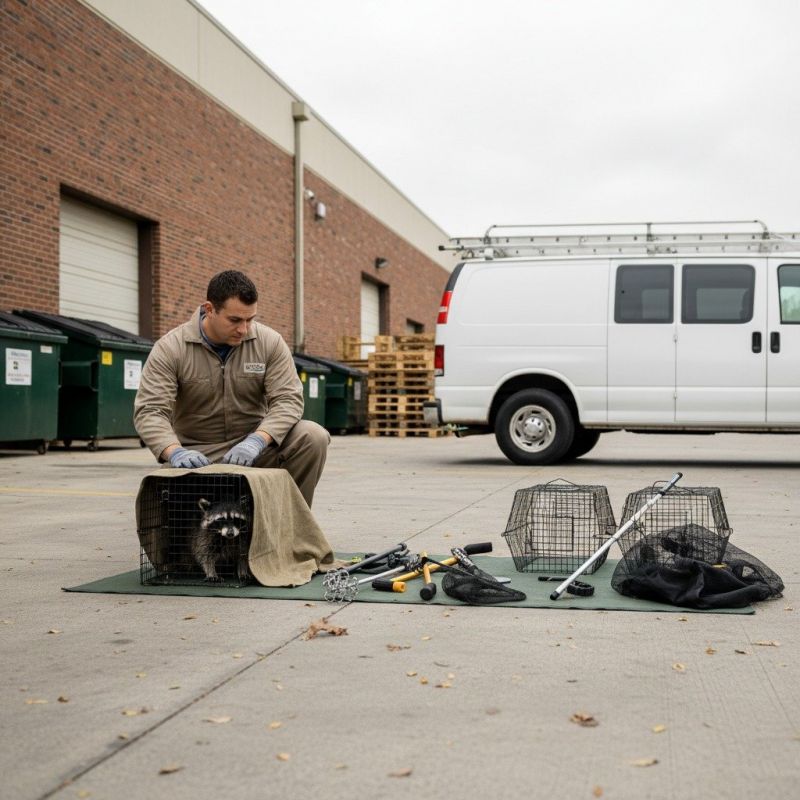
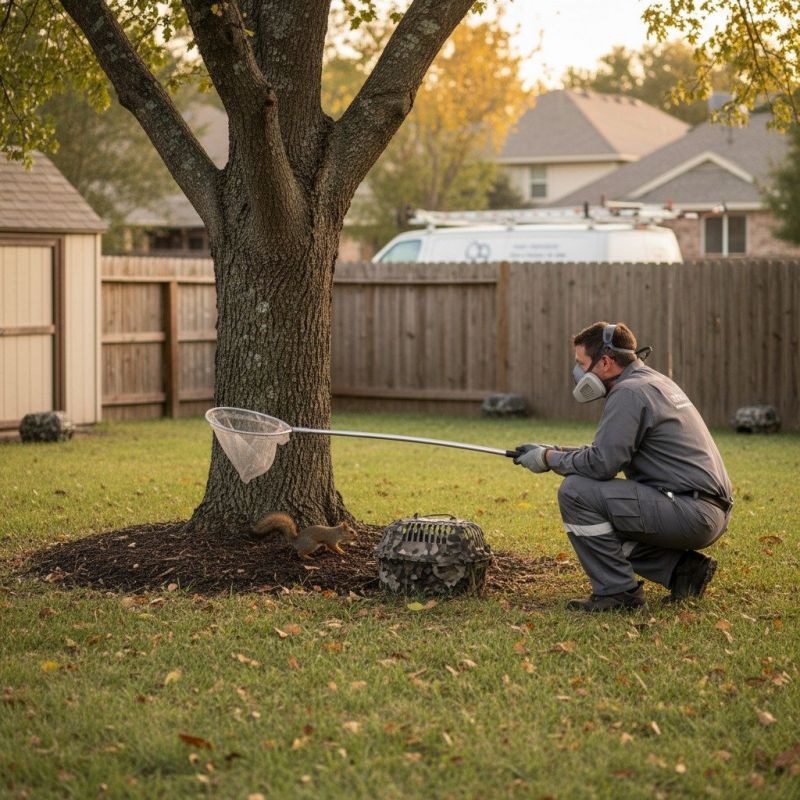
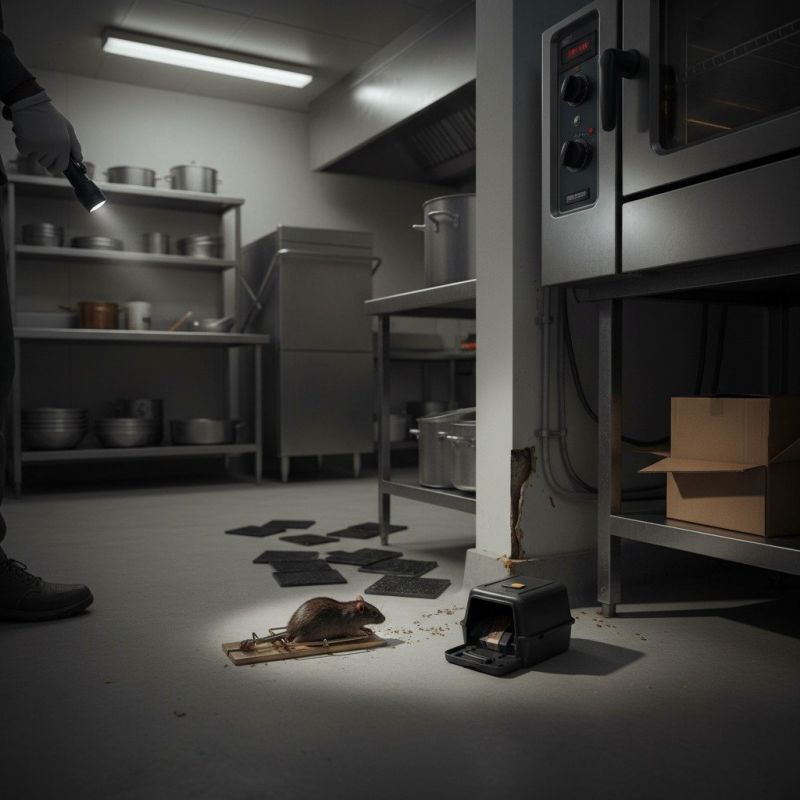
When people search for information on how small animals impact commercial buildings and business operations, they often want to understand the potential risks and disruptions caused by pests such as rodents, bats, squirrels, and other small creatures. These animals can find ways into buildings through small openings, often unnoticed until significant issues arise. Business owners and property managers may be concerned about how these animals can affect daily operations, employee safety, or customer experiences. The search often stems from a need to identify problems early, prevent damage, and ensure a safe, clean environment for staff and visitors.
The concerns surrounding small animals in commercial properties typically relate to health hazards, property damage, and operational interruptions. For example, rodents can carry diseases that threaten employee health, while bats or squirrels may cause structural damage by nesting in attics or walls. Additionally, the presence of small animals can lead to unpleasant odors, contamination of stored goods, or even the shutdown of certain areas until pests are removed. Business plans may include pest prevention strategies, regular inspections, or emergency removal procedures to minimize disruptions. Identifying and addressing these issues early is crucial for maintaining a safe and productive environment.
Certain types of properties are more prone to issues with small animals due to their structure, location, or use. Warehouses, retail stores, office buildings, restaurants, and industrial facilities often encounter small animal problems because of their size, access points, or storage of goods. Buildings near wooded areas, water sources, or open land may also be more vulnerable to infestations. Commercial properties with less frequent maintenance or older structures tend to be at higher risk, making them more likely to require professional removal services. Recognizing the property types most affected helps owners and managers plan effective pest control strategies.
Local pros who specialize in small animal removal play an important role in helping commercial property owners address these challenges. They can assess the property for entry points, signs of infestation, and structural vulnerabilities. These service providers use targeted techniques to safely and effectively remove small animals, preventing further damage or health risks. For business owners, connecting with experienced local contractors ensures that the problem is handled efficiently and in a way that minimizes operational impact. Proper removal and exclusion help protect property value, ensure compliance with health standards, and maintain a safe environment for employees and customers alike.
Wildlife exclusion projects - these involve sealing entry points and preventing small animals from accessing commercial buildings, similar to how small animal removal services address infestations and protect property integrity.
Pest proofing services - focused on blocking pests and animals from entering structures, requiring planning and tools comparable to small animal removal methods used in commercial settings.
Building inspection and assessment - professionals evaluate structural vulnerabilities that allow small animals to invade, paralleling the assessment process in small animal control for commercial properties.
Structural repair projects - involve fixing damage caused by small animals or preventing future issues, aligning with the repair and prevention strategies used in small animal exclusion work.
Rodent-proofing solutions - specialized services that secure buildings against rodents, sharing techniques and planning approaches with small animal removal for commercial buildings.
Integrated pest management (IPM) programs - comprehensive approaches to controlling pests and small animals, requiring similar planning, tools, and execution as small animal impact mitigation in commercial environments.
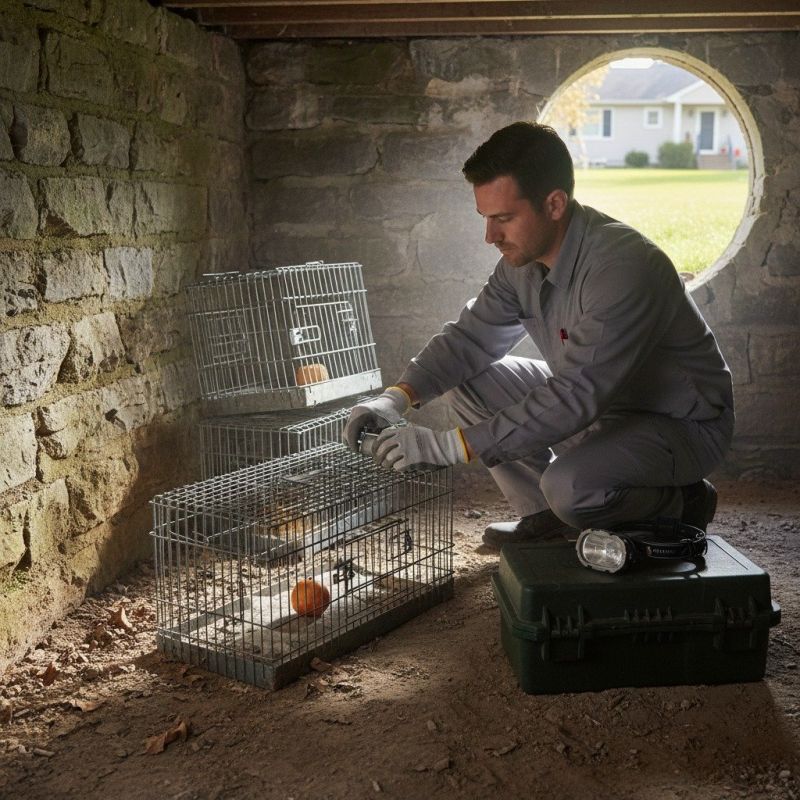
When evaluating service providers for commercial small animal removal, it is essential to consider their experience with similar projects. A contractor’s familiarity with the specific challenges of small animals impacting commercial buildings can indicate their ability to handle the job effectively. Homeowners should inquire about the types of properties they have worked on and whether they have addressed issues involving small animals in environments comparable to their own. This background helps ensure that the selected service provider understands the unique aspects of commercial structures and can implement appropriate removal strategies.
Clear written expectations are crucial in establishing a mutual understanding of the scope of work and the methods that will be used. Homeowners should seek service providers who can provide detailed descriptions of their process, including how they plan to identify, remove, and prevent future small animal intrusions. Having these expectations documented helps prevent misunderstandings and provides a reference point throughout the project. It also allows for better communication and ensures that both parties are aligned on what the job entails, ultimately leading to a smoother experience.
Reputable references and effective communication are key factors when comparing local contractors. A service provider with positive references from previous clients can offer insights into their reliability, professionalism, and quality of work. Additionally, good communication-whether through timely responses or clear explanations-can make the process more transparent and less stressful. Homeowners should feel comfortable asking questions and seeking clarification, knowing that the contractor values open dialogue. Choosing a provider known for reputable references and strong communication can contribute to a successful resolution of how small animals impact commercial buildings and business operations.
Property owners often search for how small animals impact commercial buildings and business operations when they are planning practical projects around their homes and businesses. Local pros provide Commercial Small Animal Removal services for everyday jobs and straightforward project options.
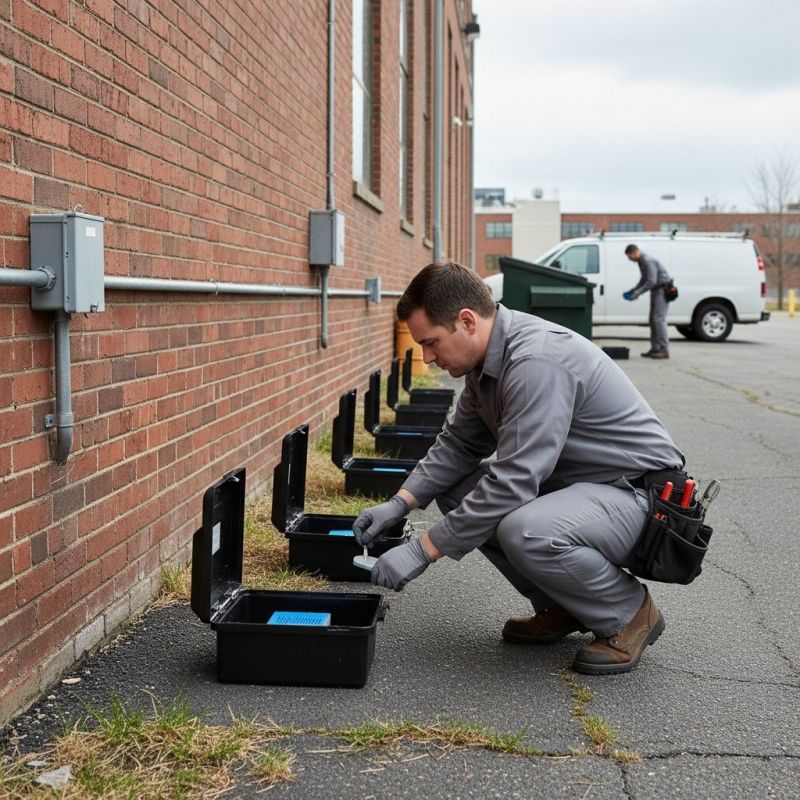
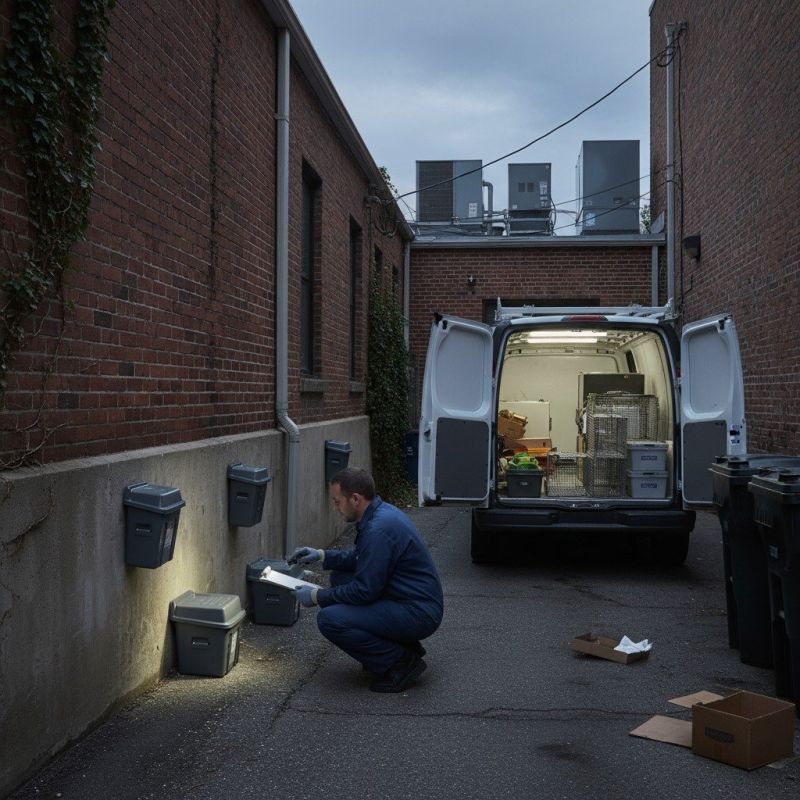
Small animals such as rodents, squirrels, and raccoons can cause significant issues for commercial buildings and business operations. Their presence often leads to damage in insulation, wiring, and structural components, which can result in costly repairs and operational disruptions. Additionally, small animals may introduce health risks through droppings, urine, or nesting materials, potentially impacting employee health and safety. Property owners in the area may seek out commercial small animal removal services to address these problems promptly and prevent further damage or health concerns.
In many cases, small animals gain access to buildings through small openings or damaged areas, making early detection and removal crucial. Business owners might notice signs like unusual noises, foul odors, or evidence of droppings, prompting them to look into professional removal options. Local contractors who specialize in small animal removal provide effective solutions to safely eliminate these pests and seal entry points. Connecting with experienced service providers can help property owners protect their investments and ensure their operations run smoothly without the interference of unwanted critters.
How do small animals cause damage to commercial buildings? Small animals such as rodents and birds can cause structural damage by chewing through wiring, insulation, and building materials, potentially leading to costly repairs and safety hazards.
What health risks are associated with small animals in commercial spaces? Small animals can carry diseases and parasites that pose health risks to employees and customers, making removal and prevention essential for maintaining a safe environment.
In what ways can small animals disrupt business operations? Small animals may contaminate food storage areas, damage inventory, or create noise and messes that interfere with daily business activities, affecting productivity and customer experience.
Why is professional small animal removal important for commercial buildings? Professional service providers have the expertise to safely and effectively remove small animals, preventing further damage and ensuring the building remains secure and sanitary.
How can local contractors help prevent small animals from returning? Local pros can implement exclusion and prevention measures to seal entry points and reduce attractants, helping to keep small animals out of commercial buildings long-term.
Identifying entry points - property owners can work with local contractors to locate small animal entry points that may lead to infestations, preventing future issues.
Preventing damage to infrastructure - small animals can cause structural harm, so scheduling inspections with local pros helps protect building integrity.
Mitigating business disruptions - removing small animals quickly with professional services reduces operational interruptions caused by infestations.
Maintaining sanitation standards - engaging local service providers ensures that small animals and their waste do not compromise cleanliness or health codes.
If you are thinking about how small animals impact commercial buildings and business operations for a property, this guide is meant to help you understand this topic, the typical project types, and how different options might fit your plans.
When you are ready, you can use the quote form on this page to share a few details about your project. From there, local pros can review the basics and follow up with options that match what you have in mind.